Behavioral Loyalty to Combat "24-Hour Switch"
Price wars do not cure energy nomadism: engagement and loyalty are the natural antidote
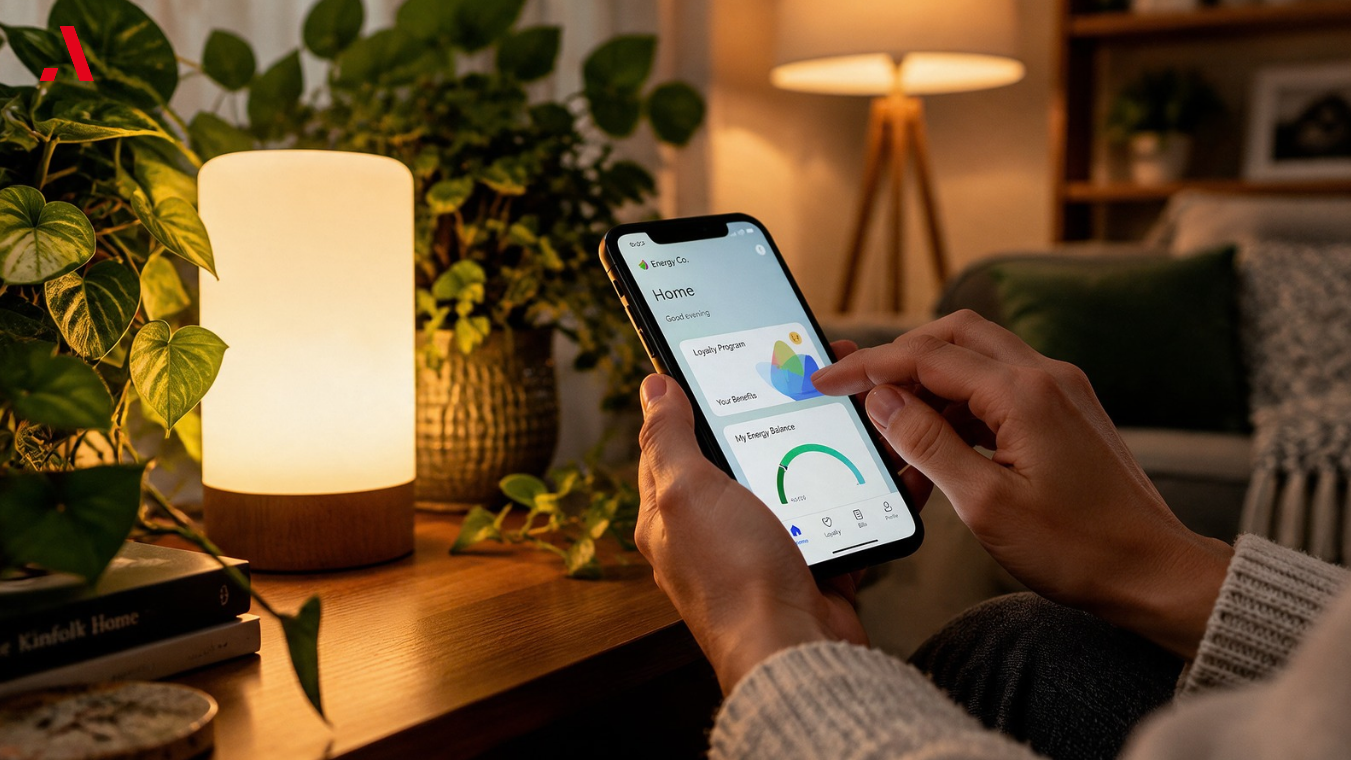
"24-Hour Switch" is an Italian market regulation.
The upcoming implementation of the "24-Hour Switch" marks a structural watershed moment for the retail electricity market in Italy, allowing end consumers to change electricity suppliers within a single business day from the request. The new process relies on real-time data exchange managed by Acquirente Unico's Integrated Information System (SII).
While this reform guarantees maximum freedom of choice for consumers, it also introduces unprecedented operational and financial challenges for energy companies.
24-Hour Switch: between energy tourism and hyper-churn
The drastic reduction in processing times risks encouraging so-called "energy tourism", enabling defaulting customers to switch from one provider to another before credit recovery procedures can be initiated. Compounding this scenario is a significant transition asymmetry for Dual Fuel accounts; fast switching is currently intended only for electricity contracts, not gas. Adding to this complexity is the management of the 14-day right of withdrawal period following the initial request. This marks a true revolution in the sector that will inevitably lead to the emergence of "hyper-churn", a sharp surge in customer abandonment rates compared to historically recorded levels.
The hidden cost of the 24-Hour Switch: operational challenges in loyalty programs between prize pools and bank guarantees
However, the "Fast Switch" doesn’t just impact cash and margin losses on energy supplies; it also creates financial and operational inefficiencies within energy companies' loyalty programs. Losing a customer ties up the prize pool budget for up to five years and incurs costs for bank guarantee fees. In Italy (Presidential Decree 430/2001), companies must guarantee 20% of the prize value to the State for reward promotions and 100% for prize contests. Consequently, hyper-churn leads to bank fees on unused funds locked up by MIMIT (Ministry of Enterprises and Made in Italy) bureaucracy, as well as the natural expiration of pre-purchased goods or vouchers and the freezing of rewards, negatively impacting the emotional connection between brand and customer.
The 24-hour switch will therefore have a knock-on effect on loyalty programs that, if unmanaged, could damage investments made in customer relationship management.
Customer service and VAS offerings as tools to lock in the client portfolio
In the face of such a complex landscape, the solution cannot rely on undercutting the cost per kilowatt-hour; it must combine engagement and retention strategies to defend and lock in the established customer base while focusing on targeted, qualified acquisition. Behavioral loyalty rewards people's inclination to interact frequently with the program through continuous engagement levers and gamification strategies. Winning the retention challenge requires maintaining a strong, relevant presence across all company touchpoints, maximizing the benefits of contract seniority to deliver greater value to long-standing customers.
Furthermore, these loyal customers should be incentivized toward cross-selling initiatives focused on Value-Added Services (VAS), which act as a key deterrent against churn. In this scenario, customer care plays a pivotal role: equipped with tools to deliver immediate rewards (instant caring), agents can issue personalized incentives during or after support interactions, transforming a potentially negative contact point into a positive experience that wins back customer loyalty.
An End to Aggressive Acquisitions: They Fuel Energy Tourism
The speed of the "24-Hour Switch" simultaneously serves as a lever for acquiring new customers. However, strategy must step away from massive welcome bonuses, which risk attracting only volatile customers, and instead offer growing-value strategies. The underlying logic should focus on returning value proportional to the months spent in the relationship: "staying" to enjoy incremental care, including access to complementary services alongside gas and electricity supplies, provided directly by the company or through third-party partners.
Introducing personalized and predictive incentive models, based on individual tastes and preferences, can act as the antidote to work effectively on both incoming customers and the existing portfolio without eroding margins.

Price wars do not cure energy nomadism, they accelerate it. Companies must focus on the perceived value for their audience by building behavioral and predictive loyalty ecosystems where customer care becomes a top priority from day one. Customer service thus takes on a new role: moving beyond issue resolution to proactive user management and dissatisfaction prevention, powered by instant reward tools integrated between the loyalty platform and quality management systems. The key lies in managing customer perception. Giving something up is psychologically harder than making a switch, especially when customers clearly understand the accumulated benefits they stand to lose compared to the risk of finding a new provider and rebuilding a trusting relationship from scratch.