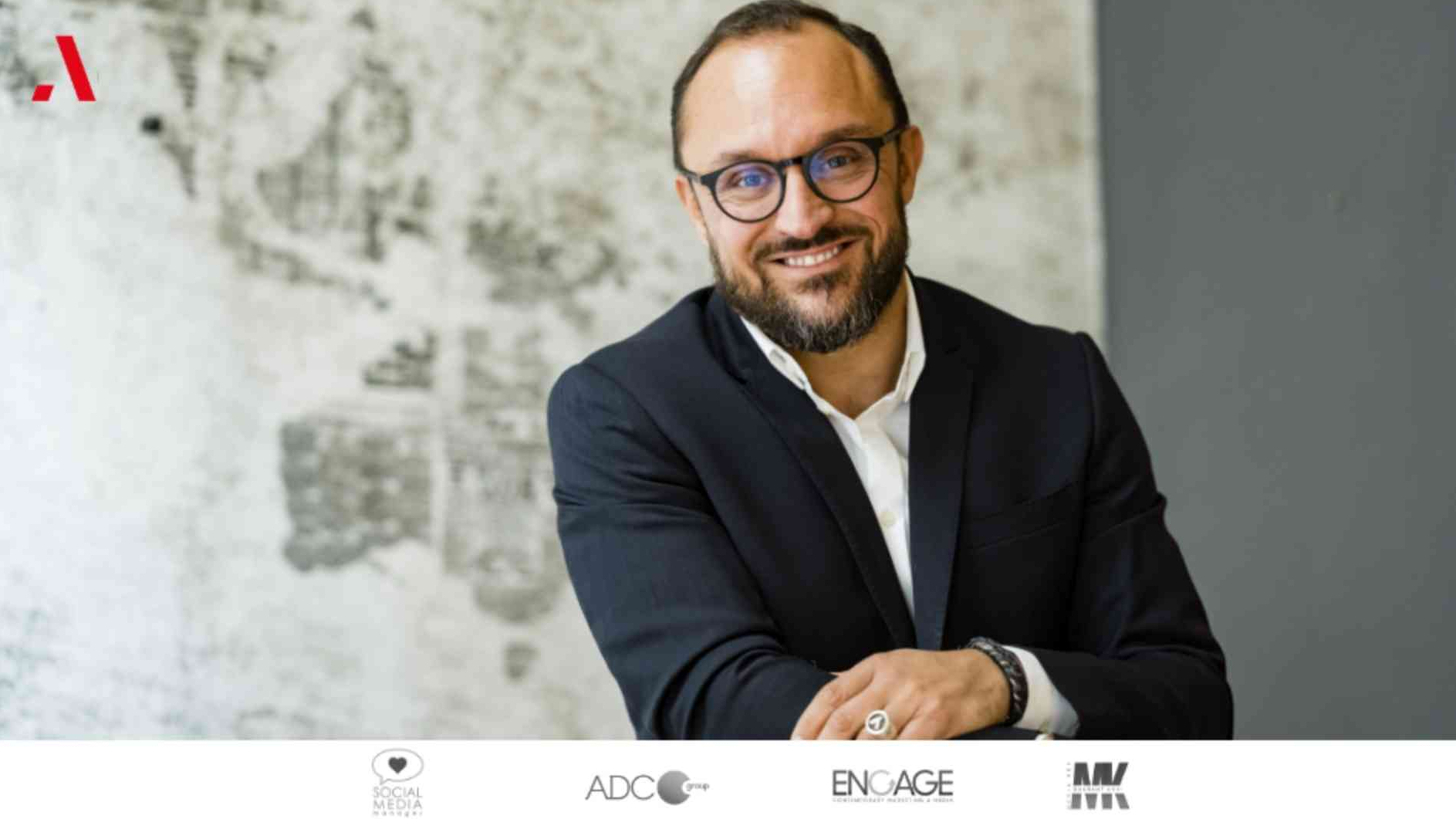
Fulvio Furbatto Interviewed by Daily Online
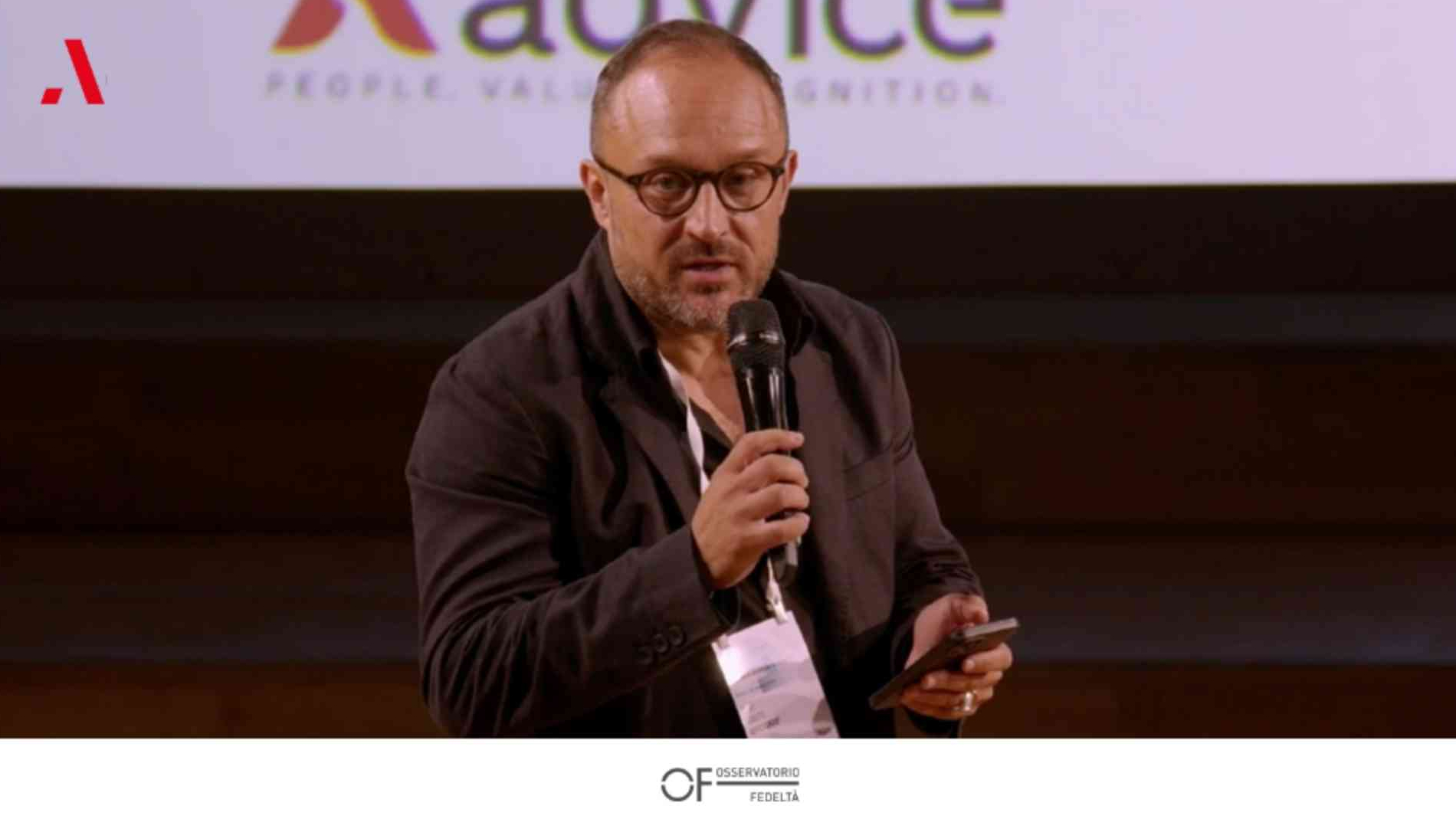
Fulvio Furbatto speaks on "The Sound of ADV" podcast about the evolving world of loyalty. He discusses the shift toward behavioral loyalty, the role of Artificial Intelligence, and the emergence of the loyalty media market, which is currently reshaping new trends in advertising investments.
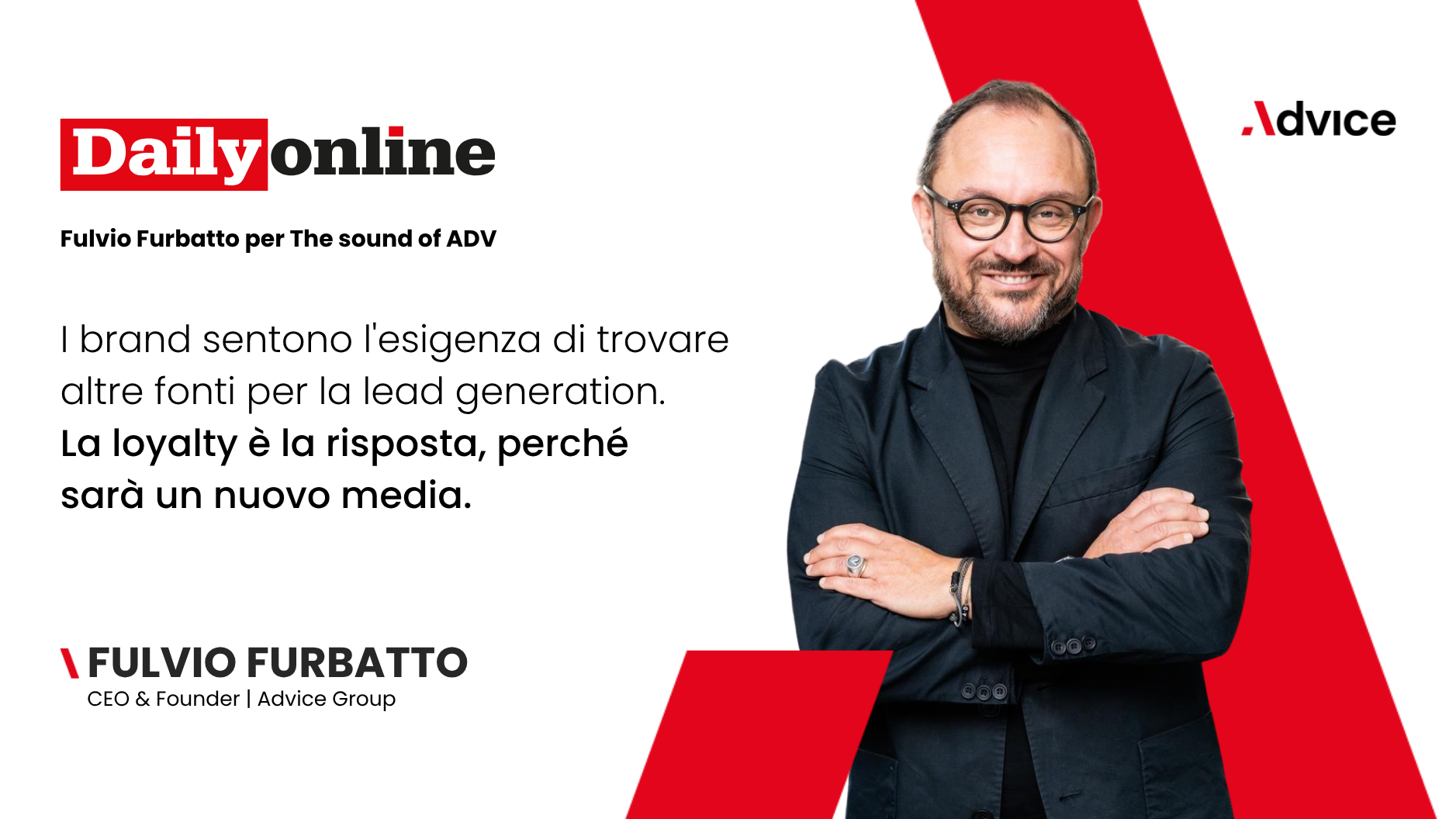
In this episode of "The Sound of ADV," Radio Atlanta journalist Davide Sechi sits down with Fulvio Furbatto to explore the shift in the loyalty market and the key tech innovations powering its growth, from MACH architecture to artificial intelligence.
D: Advice was among the first companies to introduce behavioral loyalty marketing in Italy. How did this intuition come about, and what were the key stages of this evolution?
Fulvio: The intuition was more of a transformative necessity. Loyalty as we knew it as kids—driven by paper stamp collections—had reached its finish line. It felt completely undemocratic to reward only the "high-consumers". With this logic, we wanted to flip the pyramid, creating a more democratic approach based on behaviors that aren't strictly transactional. We began managing programs specifically for those without frequent purchases: the energy sector and insurance—worlds where the consumer is intercepted only a few times a year. There, the goal is to create dynamics that go beyond the amount spent, focusing instead on the value of the person and their behavior toward the brand.
D: But how are consumer expectations changing?
Fulvio: We are in the midst of a total paradigm shift. Programs where "$10 equals one point" to reach a prize that arrives months later—and is already obsolete—no longer work. Today’s consumer expects attention. Real loyalty is no longer a "program"; it’s a corporate attitude. This is where technology comes in: thanks to platforms that can analyze vast volumes of data, highlight specific clusters, and suggest the next best action. These are one-to-one stimuli that deliver the right message to the user at the specific stage of their life cycle. Finally, the utopia of one-to-one relationship marketing is achievable.
D: You introduced WEKIT, a kit-based model using MACH architecture. What advantages does this offer companies compared to traditional platforms?
Fulvio: WEKIT is our distinctive factor in the market. When we started investing, we had two paths: build a monolithic platform (the common choice 10 years ago) or opt for a modular platform that could respond agilely to market demands. Today, these are called MACH technologies (Microservices-based, API-first, Cloud-native, and Headless). They give the brand complete freedom in UX and UI design. Like a box of building blocks, microservices can be assembled to meet specific strategic needs, which aren't necessarily complex loyalty programs. This allows clients to build truly customized strategies. Some industries, like sports—where customers are already loyal by nature and purchases aren't the primary driver of the relationship—benefit enormously. They can map personal attitudes and continuously evolve engagement strategies by simply swapping microservices, such as evolving simple tasks into complex gamification levels.
D: You mentioned a data-driven approach. How do you use data and analytics?
Fulvio: In predictive and behavioral loyalty, data must guide every decision. Real-time clustering allows us to create "predictive missions." Based on their behavior, each user receives specific missions they are highly likely to interact with. Data is central to every workflow: from initial database analysis to building personalized paths for individual clusters, and even for look-alike processes to boost lead generation by finding users similar to the "high-performers" in the program.
D: Regarding Artificial Intelligence: how are you using it, and what will change in the coming years?
Fulvio: We have already adopted some models and are implementing others. One main lever is content creation. When you use heavy gamification, you need editorials, challenges, quizzes, and surveys. Using AI to generate these from a client-validated dataset reduces time-to-market. The second level is data analysis: we are integrating conversational AI into our Data KIT to enable agile consultation on program performance, speeding up dashboard interpretation. From there, AI will power our "boosting strategies"—the ability to build the right stimulus for the user at the exact moment a conversion (purchase or relational action) can occur. AI will also enhance customer care: on the back-office side, it simplifies issue resolution; on the front-end, conversational chatbots help consumers quickly retrieve information about their mission history or badges earned.
D: This technology is also taking you beyond domestic borders. Which markets do you see as most strategic, and more importantly, how challenging is global expansion for your specific business models?
Fulvio: Scalability is inherent in our choice of MACH infrastructure. We deliver complex projects across multiple countries by simply adjusting back-end configurations that can be tailored to local regulations. We have clients who launched in one country and quickly scaled to eight, including the US and UK. Our international expansion focuses on Southern Europe. We started in Spain, where we recently launched a combined strategy between an energy company and a coffee brand. We are targeting Southern Europe because the market is open to innovation but lacks the "colonization" of American platforms, which are very prevalent in Northern Europe.
D: What are the next steps and trends you foresee in the industry?
Fulvio: Two years ago, we acquired a performance marketing company, which was a vital intuition. Previously, people searched via keywords on Google, and brands would plan media campaigns on the resulting portals. Today, AI is changing search: answers are often provided directly by the AI, leading to "zero-click-search". This impacts traffic and lead generation. Brands now need new sources for leads, and loyalty is the answer because it will become a "new media". Predictive loyalty enriches databases, making a brand’s communication spaces attractive for media planning. We launched this "loyalty media" model in the sports world (working with AS Roma, Inter Milan, FIGC), where teams use loyalty to build an internal media platform for sponsors to target profiled fans.
D: So what lies ahead is actually already unfolding
Fulvio: If you have the behavioral analysis of your best, most loyal users, you can use technology to find look-alikes in the open media market, optimizing investments. Loyalty is becoming central not just for retention, but also for sophisticated media planning and even as a platform for other brands to invest in acquisition advertising.
D: Did you expect loyalty to become such a strategic lever capable of "sophisticating" everything else?
Fulvio: We were pioneers. We started talking about "behavioral" 15 years ago when it was incomprehensible to most. Back then, loyalty was often managed by teams that didn't even speak to the CRM department. Today, that has changed. We have proposed strategies across over 20 sectors and won over 40 international awards. We always believed that if you have the power to know your best customers deeply, it’s just a matter of amplification. That is exactly what is happening today.