How is loyalty changing in the pet food sector? Our presentation at the webinar organized by Gruppo Food
From NielsenIQ market data to new trends for engaging pet owners, by Alessio Di Rini (FMCG Domain Lead & Business Developer, Advice Group
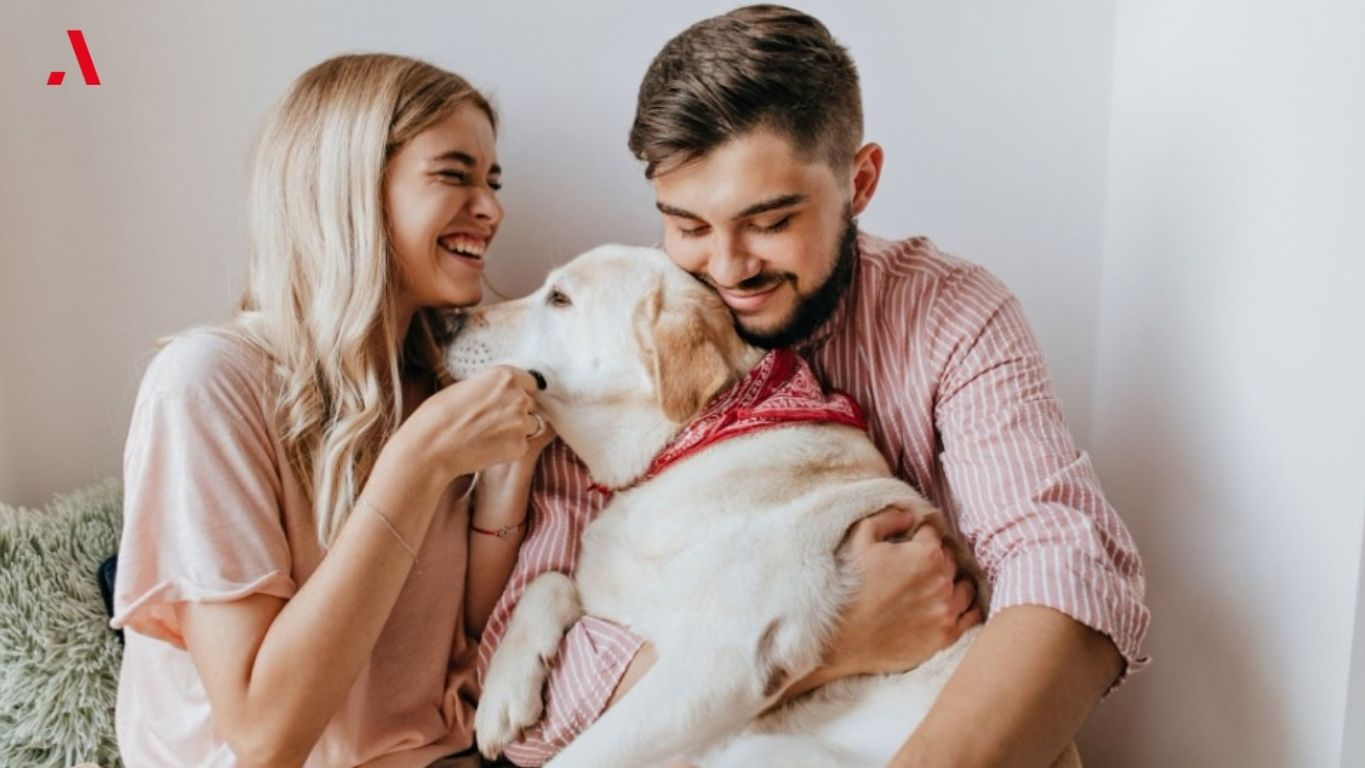
Market data NielsenIQ presented during the recent webinar organized by Gruppo Food paints a clear picture: the pet nutrition sector, as we once knew it, has undergone a profound transformation. Generic, unsegmented products, which dominated mass-retail shelves until just a few years ago, have given way to hyper-segmented offerings. Today, brands must meet the expectations of an increasingly demanding and informed pet owner who actively seeks quality and value.
A growing sector: the new role of pets
While Italy is facing demographic decline and a progressively aging population, pets have assumed a central role within households, now present in over 11 million homes. In this scenario, the pet food market is experiencing strong expansion driven not only by volume, but above all by value growth. Consumer habits are indeed shifting, becoming increasingly oriented toward premium and health-conscious solutions for the well-being of dogs and cats.
The communities you want to engage already exist!
Today, the focus on product quality translates into a deep desire for connection among consumers. Pet parents gather spontaneously on social media platforms, at industry events, breed meetups, or during pet-friendly travel experiences. This ecosystem represents a strategic opportunity for brands: the goal is not to build communities from scratch (as happens in many other sectors), but to establish a presence within and reach audiences that are already active and emotionally invested.
In this context, behavioral loyalty programs represent a strategic leverage point to capture the sector's potential: they allow brands to engage communities by valuing interactions that extend beyond their spending power. Moving beyond purely transactional logic, such as standard points collection, behavioral models enable the creation of personalized, data-driven customer journeys. Through advocacy dynamics, sustainability initiatives, and drive-to-store mechanisms, brands can build a seamless omnichannel experience that connects digital touchpoints to physical stores in a frictionless way.
Loyalty innovation in Pet Food: a look at the international market
At Advice Group, we analyzed the state of the art of international loyalty programs in pet care, identifying some of the most innovative models to engage pet owners beyond the traditional concept of retention. Three strategic macro-trends emerge from our analysis:
- Frictionless Autoship and Subscriptions: recurring subscription models (standard and premium) that guarantee exclusive benefits in exchange for a monthly fee. By simplifying replenishment and reducing the mental effort of repeat purchases, churn rates are drastically reduced.
○ Best practice: the German case study of zooplus club demonstrates how retention can be maximized by combining emotional engagement and automation. The loyalty program increases purchase frequency, while the autoship feature raises switching costs toward competitors, guaranteeing stable sales flows and predictable Customer Lifetime Value for the brand. - Purpose, Sustainability, and Sense of Community: Edgard & Cooper’s program combines social responsibility with gamification. Through missions and challenges, users earn points that are redeemable not only for discounts, but for real-world impact (donating a meal to a stray dog or planting a tree to reduce carbon footprint). Along the same lines, The Honest Kitchen transformed its customers into true brand ambassadors, capitalizing on user-generated content (UGC) to build trust through a network based on real stories and experiences told directly by pet parents.
- Data-Driven Loyalty Ecosystems: the Pets Club loyalty program drives down churn rates thanks to an all-in-one model. This 360-degree ecosystem supports customers through every stage of the relationship by connecting everyday purchases, data-driven pet profiling, access to exclusive workshops, and in-store veterinary consultations or wellness programs that boost drive-to-store traffic.
Wrap-Up: from loyalty program to walled garden
Today's evolution of the pet food market demands a loyalty strategy capable of recognizing users across the entire customer journey and valuing every single interaction. To make this vision a reality, companies must build their own Walled Garden: a first-party ecosystem designed to reach the community, communicate directly with users without intermediaries, and collect qualified Zero- and First-Party Data. It is through these insights that brands can analyze purchasing behaviors, segment audiences, and deliver hyper-personalized experiences, guiding users from digital channels all the way to in-store shelves or direct-to-consumer points of sale.
In summary, pet care brands and retailers looking to engage their communities in an innovative way must rethink their relational strategy around three key pillars:
- Community First: place the relationship with the pet parent at the core of the entire process by listening to their needs and establishing a presence in both physical and digital gathering spaces.
- Value Beyond Price: deliver genuine value that goes beyond simple price discounts by focusing on quality, health, and high-value services.
- Frictionless Hub: make the purchasing experience seamless, personalized, and omnichannel, eliminating friction between customer needs and the well-being of their pets.